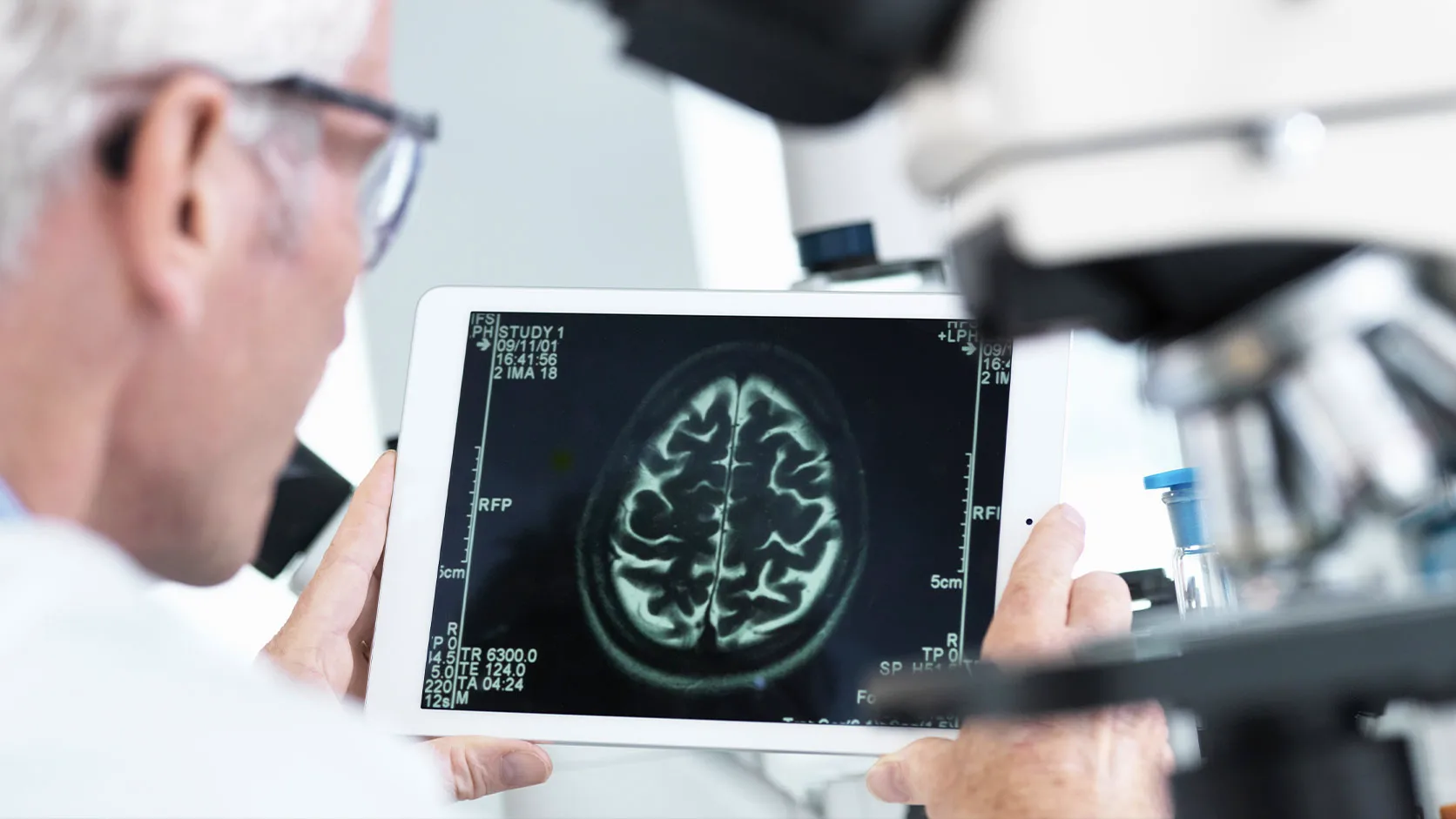
AxCellerate supports patient-specific modelling with human-relevant Brain-on-Chip models for preclinical neuroscience and translational research.
Many neurological conditions involve complex and heterogeneous biological mechanisms. In some research programs, standard models may not be sufficient to investigate specific mutations, biological profiles or patient-related disease mechanisms.
Patient-specific modelling can help research teams explore defined neurological questions in a more relevant experimental environment, supporting the study of disease biology, compound response and target relevance in models designed around specific research needs.
AxCellerate supports patient-specific modelling through Brain-on-Chip technology and three-dimensional human-derived neuronal models. The platform can be adapted to investigate selected biological mechanisms, helping researchers generate more targeted preclinical evidence for neuroscience and translational research programs.
AxCellerate’s Brain-on-Chip platform is designed to support flexible model development and advanced functional analysis in human-relevant neuronal systems.
The technology can help by providing:
When suitable biological material and model conditions are available, AxCellerate can support studies focused on specific mutations, disease profiles or personalized research questions.
Three-dimensional human-derived neuronal models provide a more relevant context to investigate disease mechanisms and biological response.
Electrophysiological recording capabilities enable the observation of neuronal activity and network response in tailored experimental systems.
The platform can support the study of biological processes linked to specific neurological conditions or patient-related disease features.
Candidate compounds can be assessed in tailored models to explore potential effects in a more specific biological context.
Patient-specific modelling can help strengthen the connection between preclinical findings and human-relevant disease biology.
Advantages
AxCellerate provides a flexible approach for research teams that need to investigate specific neurological mechanisms beyond standard preclinical models.
By applying Brain-on-Chip technology to patient-specific modelling, AxCellerate helps research teams explore more precise biological questions and generate evidence that can support better-informed preclinical decisions.